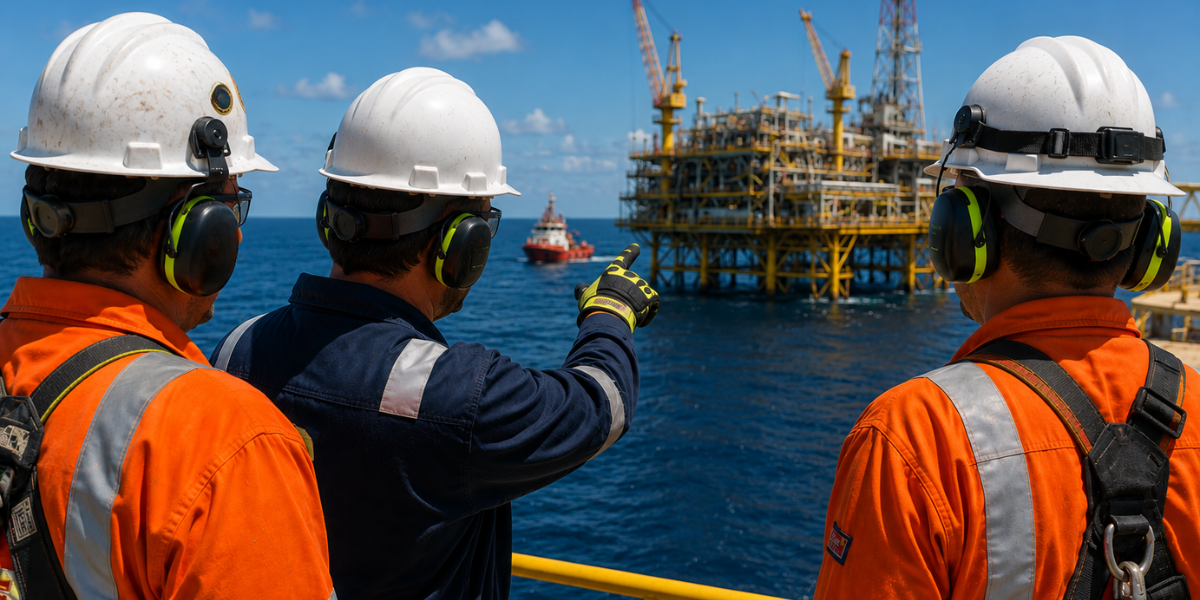
In today's oil and gas industry, no major project is completed by a single company. Operators rely on contractors to perform critical work across drilling, production, construction, maintenance, turnarounds, decommissioning, and logistics. When multiple companies work together, safety depends on more than individual performance. It depends on how well everyone works as one team.
Strong contractor management is no longer just a compliance requirement. It is a key factor in preventing incidents, protecting people, and keeping operations running safely and efficiently.
The Challenge of a Multi Contractor Workforce
Every contractor brings valuable experience to the job, but they may also bring different work practices, training standards, and expectations. Without a consistent approach, even highly skilled teams can encounter communication gaps that increase risk.
Some of the most common contractor management challenges include:
- Variable competency levels across work groups
- Inconsistent onboarding and orientation processes
- Poor communication between contractors working in the same area
- Different safety cultures and expectations
- Limited oversight during critical work activities
None of these issues are intentional. However, when they occur together, they can create conditions where hazards go unnoticed and incidents become more likely.
Safety Begins Before Work Starts
Successful contractor management begins long before the first tool is picked up.
Effective organizations establish clear expectations during contractor selection, verify qualifications, confirm competency, and ensure every worker understands the site's safety requirements before arriving at location.
A comprehensive onboarding process should include:
- Site specific hazards
- Emergency response procedures
- Permit to Work expectations
- Energy isolation requirements
- SIMOPS awareness
- Stop Work Authority expectations
- Communication protocols
- Reporting procedures
When every contractor starts with the same understanding, crews are better prepared to make safe decisions throughout the job.
Communication Is the Strongest Safety Tool
Many serious incidents occur when contractors assume someone else has already addressed a hazard.
Daily communication helps eliminate those assumptions.
Pre job meetings, toolbox talks, permit reviews, and shift handovers provide opportunities to identify changing conditions, discuss simultaneous operations, clarify responsibilities, and encourage workers to ask questions before work begins.
The most effective leaders create an environment where every worker feels comfortable speaking up, regardless of which company they represent.
Oversight Builds Confidence, Not Compliance
Oversight should never feel like policing.
Field leadership, regular observations, coaching, and constructive feedback demonstrate that safety is an ongoing priority rather than a checklist.
Strong oversight helps identify gaps before they become incidents while reinforcing positive behaviors that strengthen the overall safety culture.
When supervisors remain engaged in the field, contractors are more likely to recognize hazards early and work together to solve problems safely.
One Team. One Standard.
Contractors may wear different logos, but everyone on location shares the same objective. Everyone deserves to return home safely at the end of the day.
Building a unified safety culture means setting consistent expectations, encouraging open communication, recognizing good performance, and treating every worker as a valued member of the team.
When everyone understands the plan, communicates effectively, and looks out for one another, safety becomes more than a policy. It becomes part of how work gets done.
How ISS Helps
At Industrial Safety Solutions, we understand the challenges that come with managing contractor workforces in high hazard environments. Our experienced HSE professionals’ partner with operators and contractors to strengthen communication, improve field oversight, reinforce safety expectations, and support safe execution from planning through project completion.
Whether your operation is onshore or offshore, our team helps create the consistency and accountability needed to reduce risk, strengthen safety culture, and keep your workforce focused on what matters most.
Because successful operations are built on more than qualified contractors. They are built on trusted partnerships, shared accountability, and a commitment to protecting every person on site.